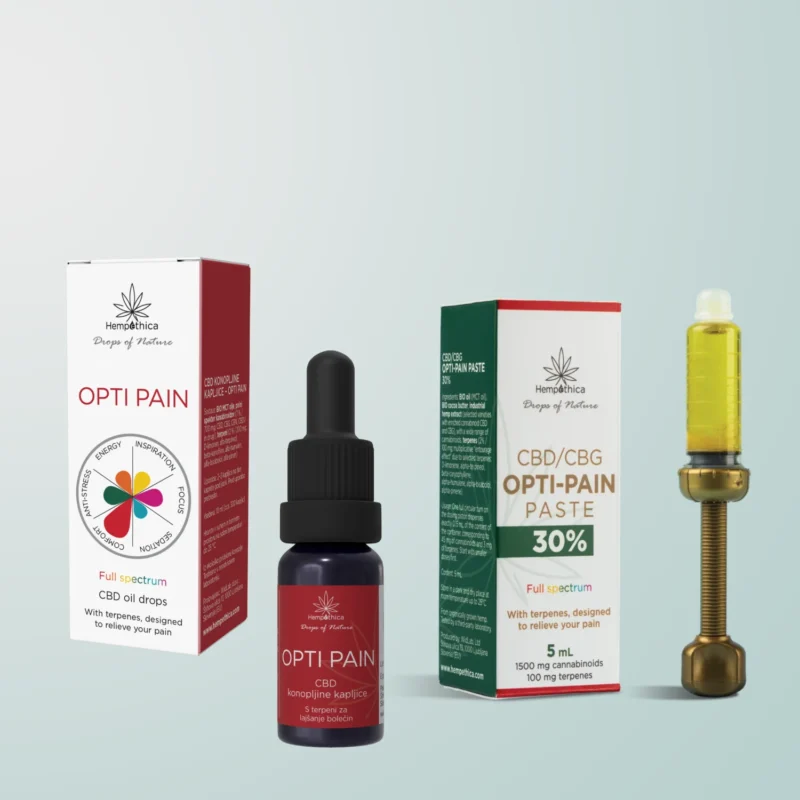

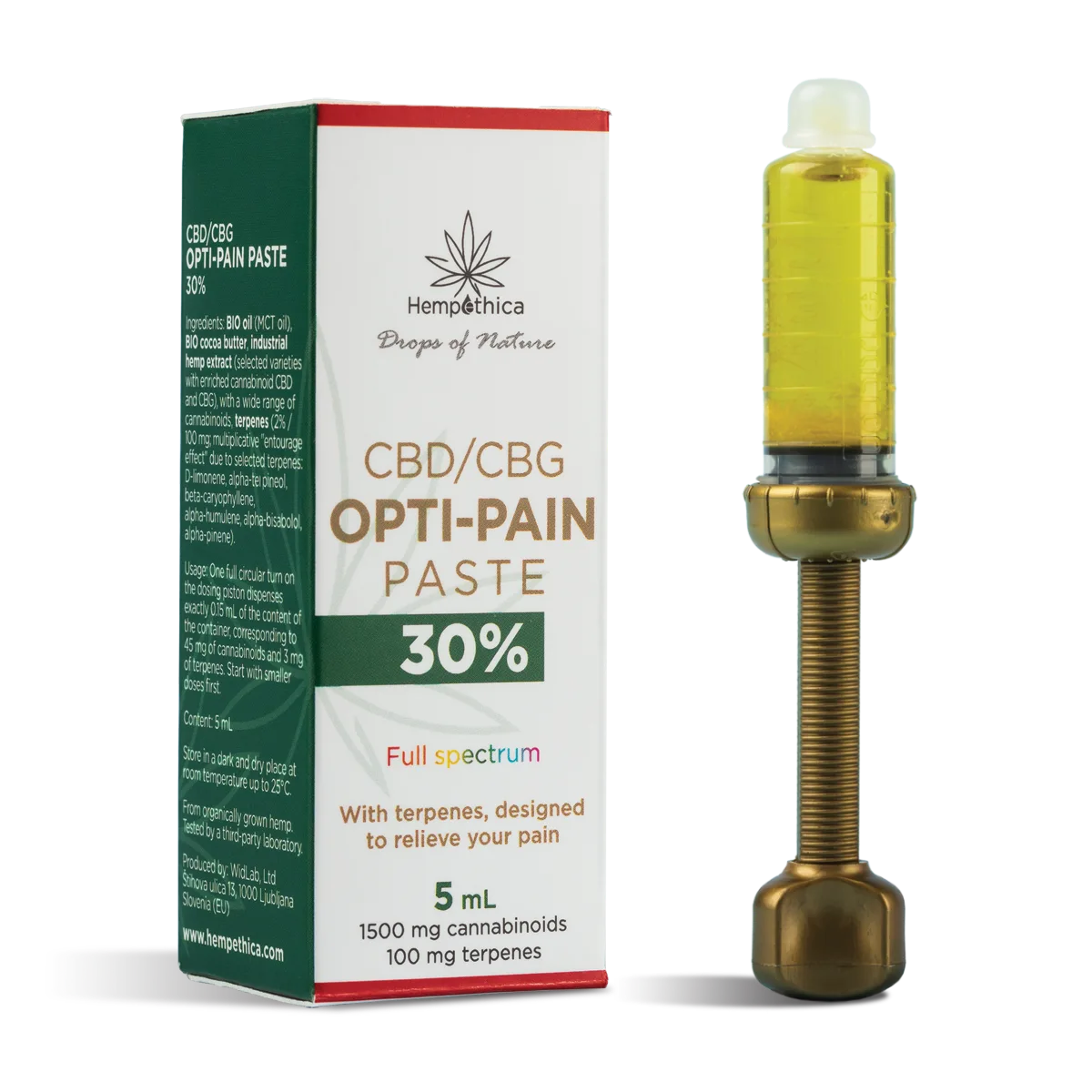
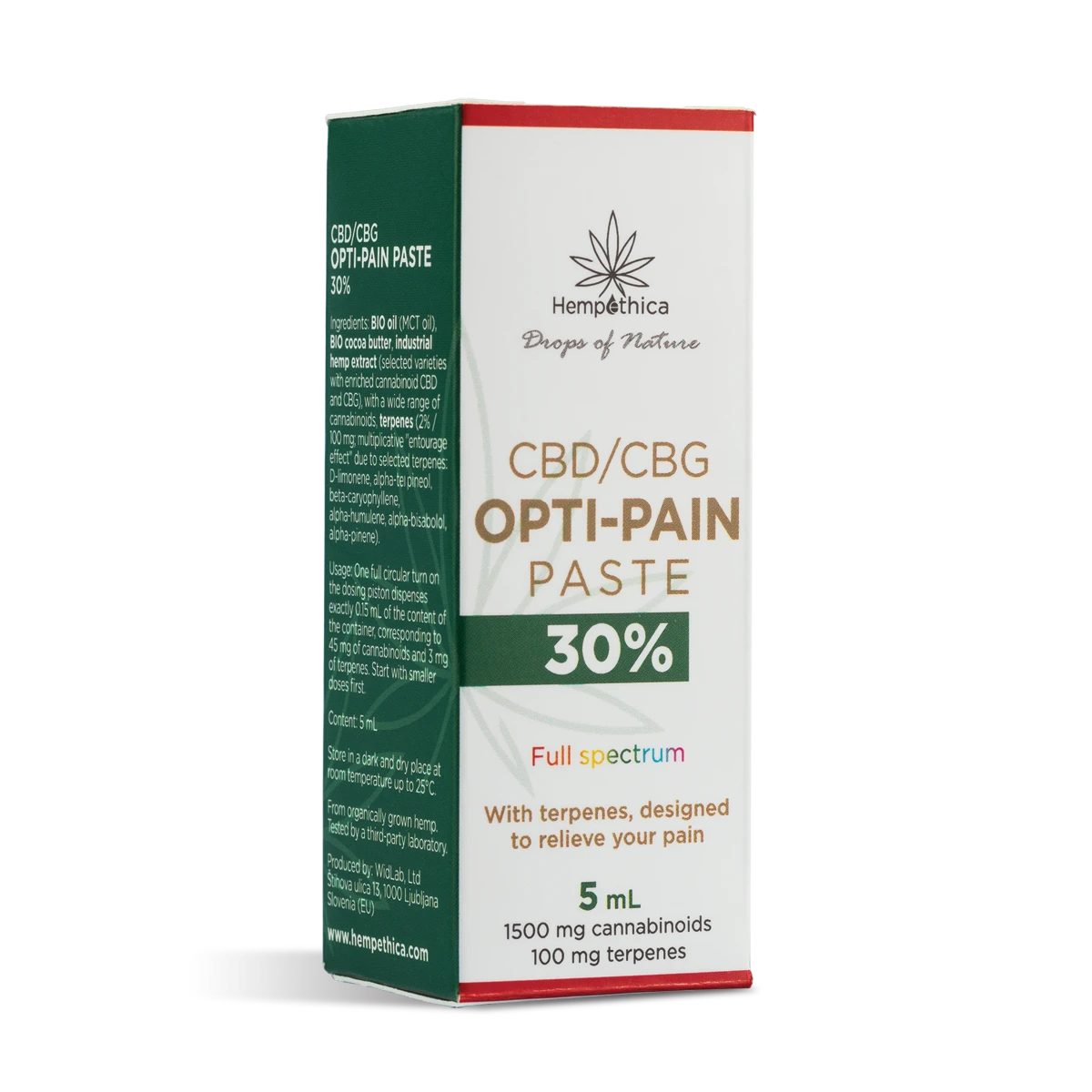
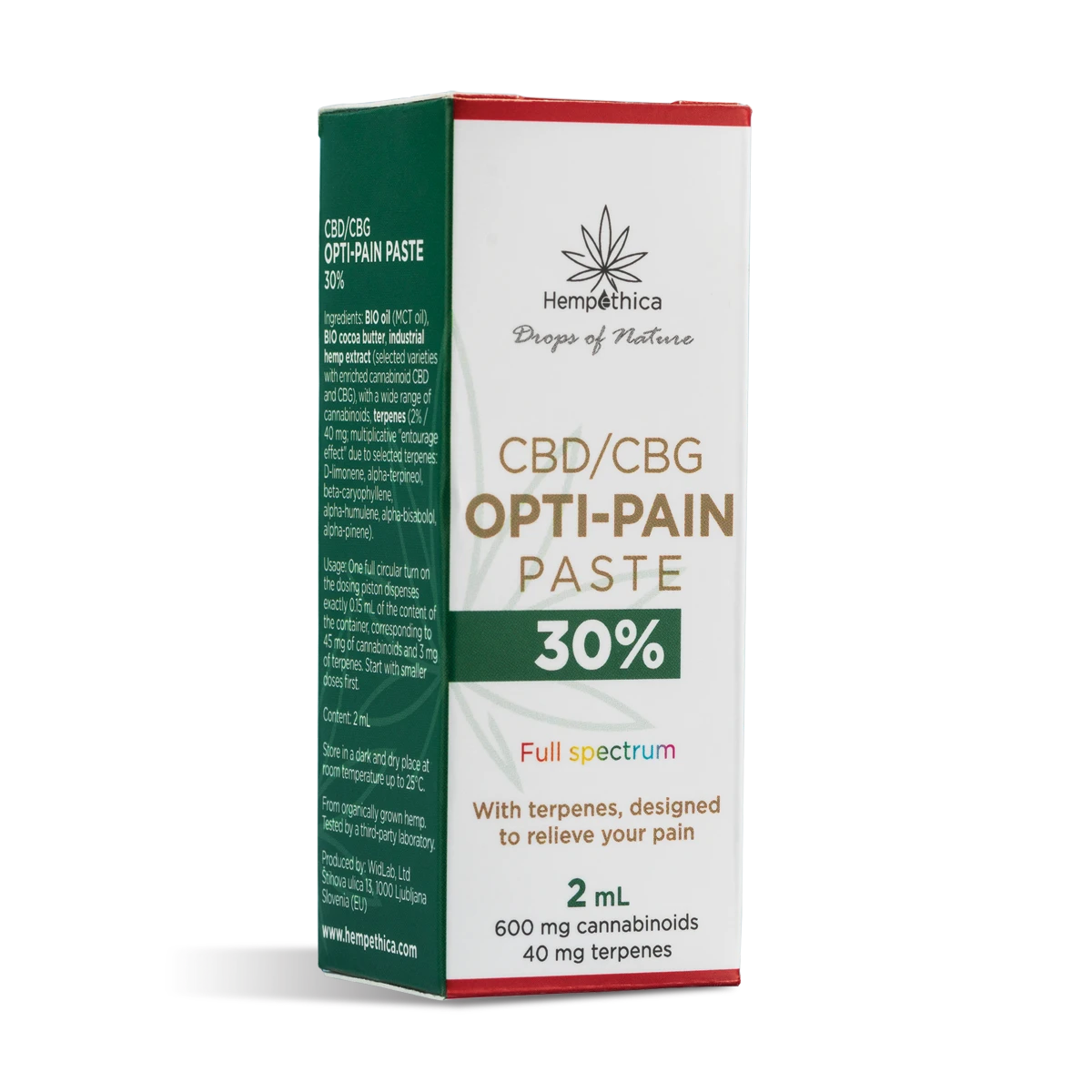
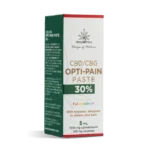
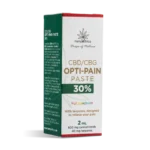
CBD/CBG Opti Pain hemp resin 30%
100% natural extract of different hemp varieties, broad spectrum of cannabinoids, rich in CBD, CBDA and CBG cannabinoids. Contains a minimum of 30% total cannabinoids, of which a minimum of 25% CBD, 2% CBDA and 2% CBG. High terpene content, a minimum of 2%. All this is contained in the CBD/CBG Opti Pain hemp resin, also known as hemp paste or CBD resin.
Hemp resin is obtained by high-quality ethanol extraction. Undesirable plant components (waxes, chlorophyll, fatty acids) are removed by the following purification processes. The psychoactive cannabinoid THC is mostly removed by a short-course molecular distillation process. The cannabinoid extract is completely natural and without added synthetic cannabinoids or CBD isolate.
The extract contains terpenes, which are characterised by their analgesic action. The formulation with targeted cannabinoid and terpene composition has been prepared in accordance with the professional literature in the field of cannabinoids.
Developed in collaboration with the International Cannabinoid Institute, ICanna.
Ingredients: Industrial hemp extract, selected strains with enriched cannabionoid CBD, selected strains with enriched cannabinoid CBG, broad-spectrum cannabinoids and enhanced action due to selected terpenes, BIO medium-chain triglyceride oil (MCT oil), BIO cocoa butter.
Content
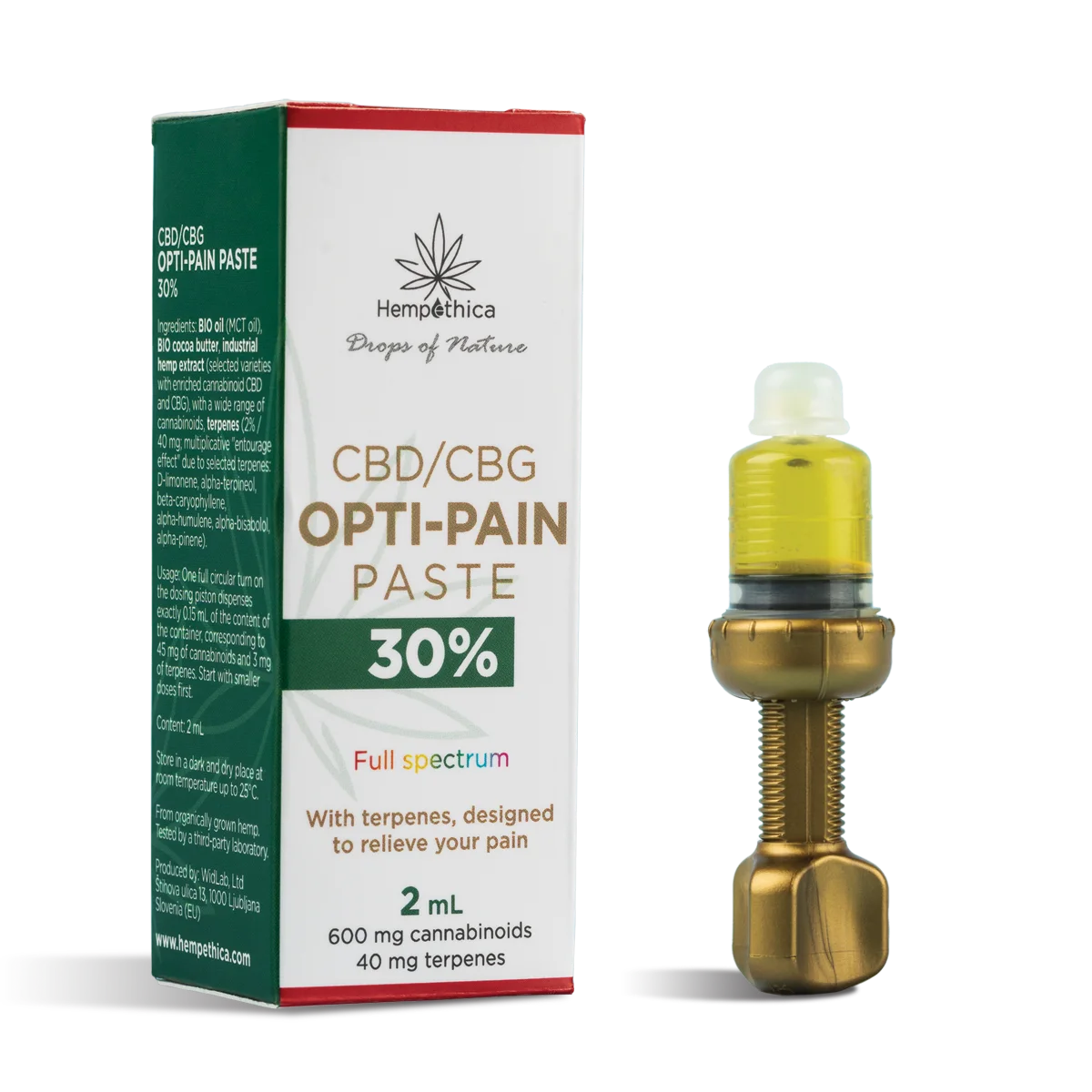
- The 2 mL Opti Pain 30% dispenser contains at least 600 mg of cannabinoids and at least 40 mg of terpenes.
- 5 mL dozirnik Opti Pain 30% vsebuje vsaj 1500 mg kanabinoidov in vsaj 100 mg terpenov.
Instructions for use
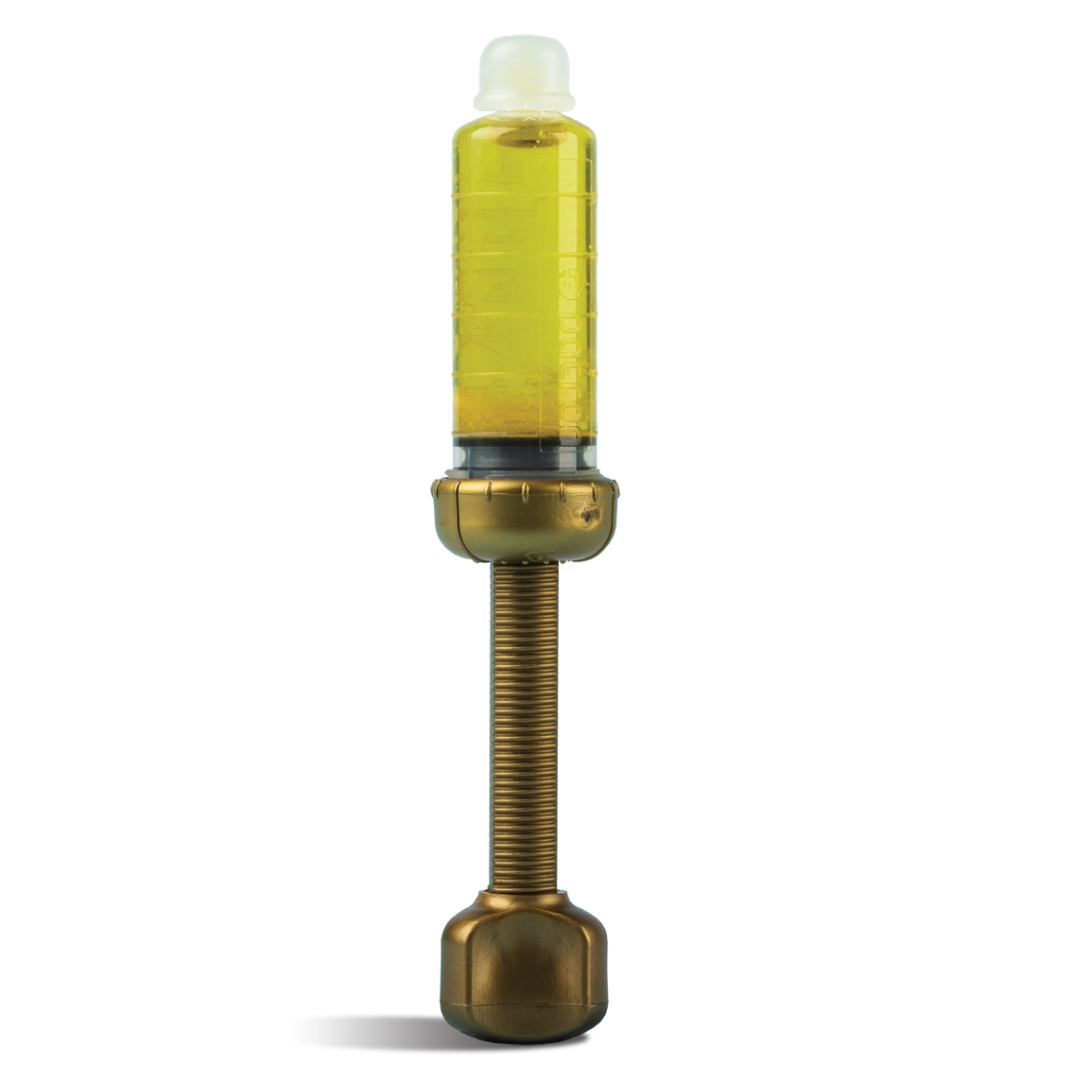
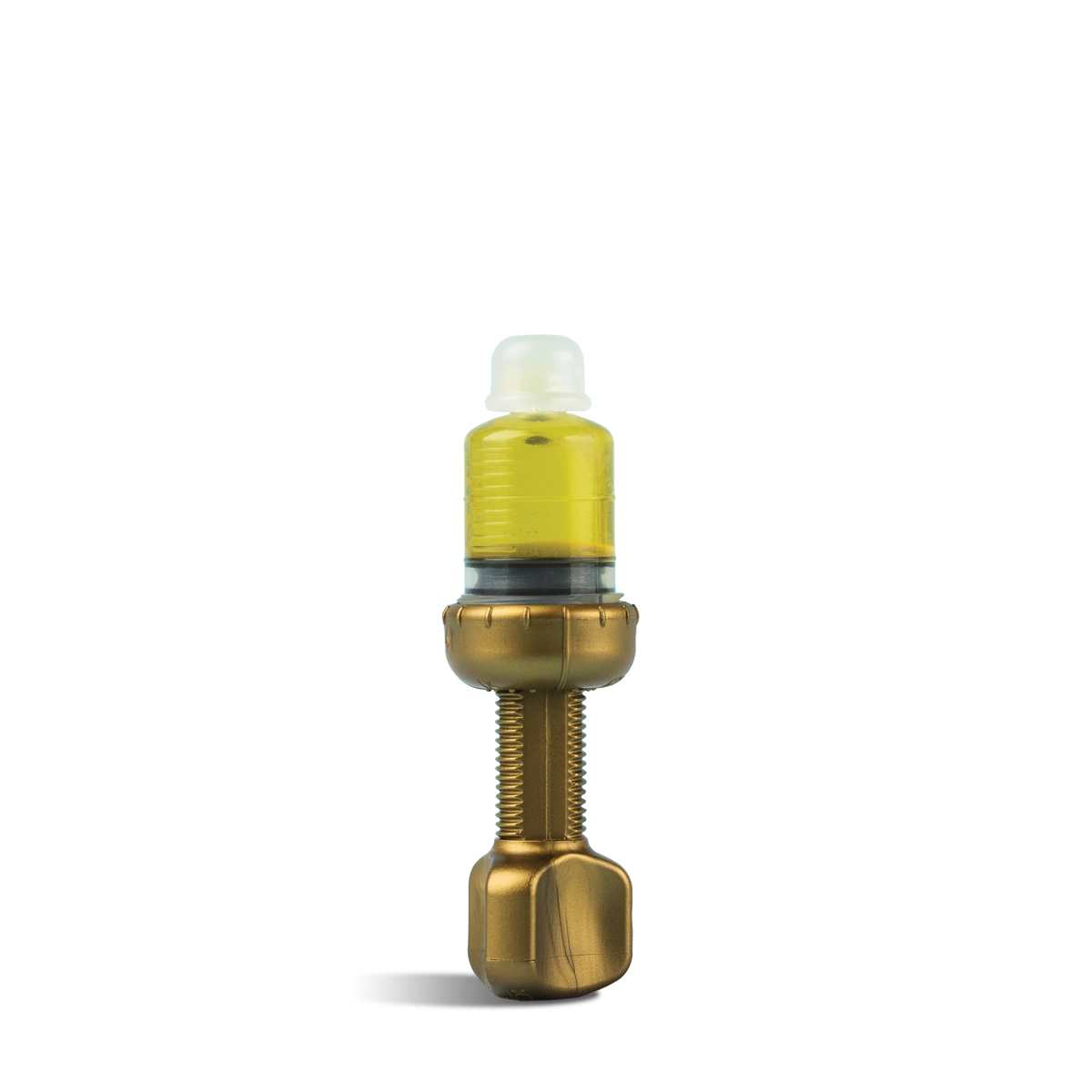
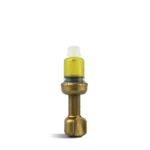
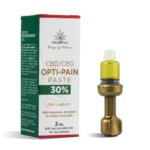
Hemp resin is packaged in a convenient dispenser Patron, which allows precise dosing. One revolution of the dosing plunger dispenses precisely 0,15 mL of the contents of the container, corresponding to 45 mg of cannabinoids and 3 mg of terpenes.
Cannabis resin is not suitable for children, pregnant women and nursing mothers. It is not safe to exceed the recommended daily amount or dose.
Recommended dosage: maximum 2 doses per day (one dose is one turn on the dispenser, equivalent to 0.15 mL).
When dosing or taking cannabinoids, it is important to start with the lowest possible dose and stick to that dose for 3-5 days. The dose can be increased as needed and gradually to the optimal daily intake of cannabinoids, which varies between users. Optimal amounts are determined by each individual through monitoring. The recommended daily dose in Slovenia is 2 mg of CBD per day, mainly due to the lack of adequately conducted studies. Many studies have been carried out around the world, which emphasise that CBD is safe to consume in higher amounts and concentrations.
In a 2019 study, Good et al looked at the efficacy and safety of cannabidiol when taken 50-600 mg of cannabidiol daily for 14 days. In a 2018 study, Devinski and colleagues looked at the impact of cannabidiol preparations in children with Dravet syndrome. The amounts of cannabidiol ingested were up to 20 mg cannabidiol per kg body weight twice daily.
A list of some of the scientific studies carried out:
https://www.ncbi.nlm.nih.gov/pmc/articles/PMC7511474/
https://www.ncbi.nlm.nih.gov/pmc/articles/PMC7554803/
https://www.ncbi.nlm.nih.gov/pmc/articles/PMC6223703/
https://pubmed.ncbi.nlm.nih.gov/31810437/
https://pubmed.ncbi.nlm.nih.gov/29540584/
Dosage
Each box contains a dispenser already assembled with a housing and a screw and plunger and sealed with a cap. Each carton also contains a spout for the dispenser and a stopper for the spout, which can be replaced by the cap, but this is not necessary. The dispenser is easier to use without the spout and stopper.
The dispenser is used by removing the cap or, in the case of a spout, the stopper and pushing the extract out of the dispenser by turning the screw.
After the amount has been withdrawn, reseal the dispenser with the cap or stopper.
One turn of a plunger corresponds to a volume of 0,15 mL and contains 45 mg of cannabinoids and 3 mg of terpenes.
Operation
Cannabinoids are the main group of compounds present in cannabis. They are a heterogeneous group of compounds that share the common characteristic of binding to cannabinoid receptors in the body. They are basically divided into three groups according to their origin (endocannabinoids, phytocannabinoids and synthetic cannabinoids). You can read more about cannabinoids in our blog. CBD/CBG Opti Pain 30% hemp resin offers a broad spectrum of action.
The endocannabinoid system (ECS) is a biological system or signalling mechanism present in all vertebrates. It consists of endocannabinoids (anandamide or AEA and 2-arachidonoylglycerol or 2-AG), receptors (CB1, CB2, and presumably GPR55 as a third) and enzymes. Receptors, which are an integral part of our cells, detect the amount or concentration of cannabinoids in the cells. Our brains also detect changes in the concentration of cannabinoids in our bodies and react accordingly. The role of the ECS in our bodies is very broad, as all cells contain receptors on their surface that sense the amount of cannabinoids present. You can read more about the ECS in blog.
Cannabis and cannabinoids
Cannabis and its extracts are increasingly recognised worldwide and are becoming part of mainstream use. Hemp resin is just one of many products containing cannabinoids. The United States of America, Canada and Israel dominate the professional field of cannabinoid use for medicinal purposes. Cannabis and its extracts are nowadays found in various forms. Scientifically, it is one of the most researched plants and has a very high potency for our health. Many of its beneficial effects have already been proven and clinically validated.
Most research on cannabinoids in the field of palliative use, covering the treatment or pain relief, nausea, insomnia and some other symptoms that adversely affect quality of life. The next well-researched field of cannabinoid use is the field of neurodegenerative diseases, which includes Alzheimer's and Parkinson's disease. A third well-researched area, however, covers disease states where pathogenesis is associated with excessive signal transduction, which includes epilepsy and neuropathic pain. Very good results of cannabinoid treatment are also in the field of inflammatory diseases, which include multiple sclerosis and the field of rheumatic conditions, which includes fibromyalgia. More and more research is also focused on the treatment of cancer symptoms and as an antitumor drug.
Safety when using cannabinoids
In classical medicine, we know of drugs that can act on the central nervous system. These medications also have side effects, as well. Among the most common are psychotropic effects that affect our well-being and sobriety. As a result, the use of these drugs prohibits the driving of cars and other means of transport.
Among the cannabinoids, there are three that have been shown to have psychotropic side effects. The best known of these is d9-tetrahydrocannabinol, more commonly known as d9-THC. In addition to d9-THC, d8-THC and cannabinol (CBN) also produce a mild psychotropic effect. The other cannabinoids have been shown not to produce a psychotropic effect. Also d9-THC has been shown not to cause a feeling of intoxication in the right combination with cannabidiol (CBD) and other cannabinoids. Other negative effects of cannabinoid use within the normal range of use are not reported or proven to be absent. Opti Pain hemp resin contains all cannabinoids listed, including THC within the legal limit of <0,2%.
Who is cannabinoid assisted treatment for?
Cannabinoids act on two systems in the body, the nervous system (central and peripheral) and the immune system. When our endocannabinoid system is in balance or in homeostasis, we feel good. However, if the balance is upset, our well-being deteriorates. This phenomenon usually occurs due to perceptions and disturbances from our surroundings. That’s when our endocannabinoid system activates and tries to get us back into balance.
The use of cannabinoids has long been blocked and banned due to years of prohibition and prohibition. Cannabis resin contains many cannabinoids that can solve many problems.