

Insomnia and sleep disorders

Insomnia is a term used to describe a very common sleep disorder. If you find it difficult or hard to fall asleep, have trouble staying asleep, or wake up too early and just can't get back to sleep, you probably have an insomnia problem. The amount of sleep that is enough varies from person to person, but most adults need seven to eight hours of quality sleep a night. Insomnia may be the primary problem or it may be related to other health problems or even medication.
How can we ensure a good night's sleep?
Getting a good night's sleep is essential for maintaining good health and general well-being. Insomnia and other sleep disorders can have a major impact on our daily functioning and quality of life. Although an occasional sleepless night is not uncommon, chronic insomnia, on the other hand, can be a serious problem.
Insomnia manifests itself as difficulty falling asleep, staying asleep or waking up too early, often accompanied by feelings of tiredness and lack of energy during the day. The consequences of insomnia go beyond physical discomfort, as it can also affect mental health and cognitive abilities. Long-term insomnia can lead to a variety of health problems, including depression, anxiety and even an increased risk of cardiovascular disease.
However, there are ways we can manage insomnia ourselves and improve the quality of our sleep. One approach is to use natural supplements such as hemp sleep drops. The cannabis and cannabinoids present in these drops are known for their calming properties and their ability to promote relaxation and consequently improve sleep quality. With regular use, the drops can help relieve symptoms of insomnia and allow for a more restful and deep sleep.
In addition to taking the drops, it is also sensible and important to change and adopt a healthy lifestyle and establish a sleep routine that includes regular bedtimes and relaxation techniques before bed. By combining natural remedies and healthy habits, we can achieve better sleep and improve our overall well-being.
When it comes to insomnia, it is important to understand that it is a complex problem that can be caused by a variety of factors. Some of the most common causes of insomnia are stress, anxiety, depression, poor diet, lack of physical activity, uncomfortable sleeping environments and the use of stimulants such as coffee, tea or alcohol. Sometimes insomnia can also be caused by physical problems such as pain, indigestion or respiratory problems such as obstructive sleep apnoea syndrome.
Getting a good night's sleep is essential for maintaining good health and general well-being. Insomnia and other sleep disorders can have a major impact on our daily functioning and quality of life. Although an occasional sleepless night is not unusual, chronic insomnia, on the other hand, can be a serious problem.
Insomnia can manifest itself as extreme difficulty falling asleep and staying asleep, or as premature awakenings. Whatever the type of insomnia we experience, it is often accompanied by feelings of tiredness and lack of energy during the day. The consequences of insomnia go beyond physical discomfort, as insomnia can also affect mental health and cognitive abilities. Long-term insomnia can lead to a variety of health problems, including depression, anxiety and even an increased risk of cardiovascular disease.
Managing insomnia
To effectively manage insomnia, it is crucial to focus on identifying and addressing the root cause of the problem. If the insomnia is related to stress or anxiety, introducing relaxation techniques such as meditation, yoga or breathing exercises can help. It is also important to maintain a healthy lifestyle, including a balanced diet, regular physical activity and avoiding stimulants before bedtime.
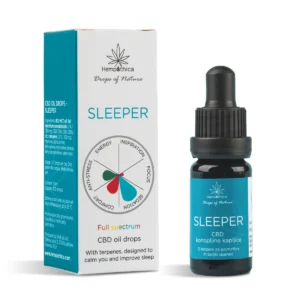
For chronic insomnia, we can also consult a doctor who can advise on appropriate treatment options. In addition to traditional sleep medications, your doctor may also recommend the use of natural remedies such as SLEEPER drops, which have virtually no side effects and are also suitable for long-term use.
They are known to have cannabinoids, present in cannabis, have many beneficial effects on the body and mind. In addition to their calming properties, cannabinoids can also help to relieve pain, reduce inflammation and improve mood. It is therefore not surprising that more and more people are turning to natural solutions, such as the use of cannabis sleep drops, to manage insomnia.
SLEEPER - Hemp sleep drops are made from high quality hemp extracts extracted from organically grown hemp. These drops are enriched with natural cannabinoids such as CBD (cannabidiol) and CBG (cannabigerol), which have calming and relaxing properties and help promote healthy sleep. Their natural composition also makes the drops suitable for long-term use and they do not cause the addictive effects or side-effects that are common with traditional sleep medicines.
When using SLEEPER sleep drops, it is important to follow the recommended dosage and consult your doctor, especially if you are taking other health products or suffer from chronic conditions. In addition, it is recommended to take the drops approximately one hour before bedtime to allow their full effects to take effect and to facilitate a restful and deep sleep.
Managing insomnia is key to improving quality of life and maintaining good health. By taking natural supplements and establishing healthy sleep habits, you can get a better night's sleep and wake up refreshed and revitalised for the day. Whether you struggle with short-term or chronic insomnia, it is important to be aware of your options and find an approach that works best for you and allows you to get a good night's sleep.
Bedroom hygiene
Sleep hygiene is key to getting a good night's sleep and maintaining overall health. Sleep hygiene covers the various habits, environmental factors and lifestyle choices that affect our sleep.
Insomnia and the effect of stimuli on sleep
Sensory deprivation experiments are known where participants have been completely restricted from a stimulus situation, which can be as stressful as a stimulus situation that is too strong. Modern technology, in particular artificial light, can affect sleep by preventing the production of melatonin, the hormone that regulates sleep rhythms.
One of the major problems of chronic insomnia is the vicious cycle of helplessness, where tired individuals wake up at the very moment they should be dozing off, which can cause further awakenings. Sleepiness and fatigue often occur together, but they are not the same physiological phenomenon.
Use the bedroom only for sleep and sex. If you don't fall asleep within 20 minutes of lying down, get up and do something else until you feel sleepy. The purpose of doing this is to make a connection between bed and sleep, not between bed and tension.
This helps us control our external and internal environment and build a path to better sleep. As a natural aid to stimulus regulation, we can help ourselves significantly with SLEEPER cannabis drops, developed in collaboration with the International Cannabinoid Institute, ICANNA.
 PMS - Premenstrual Syndrome and help with cannabis